

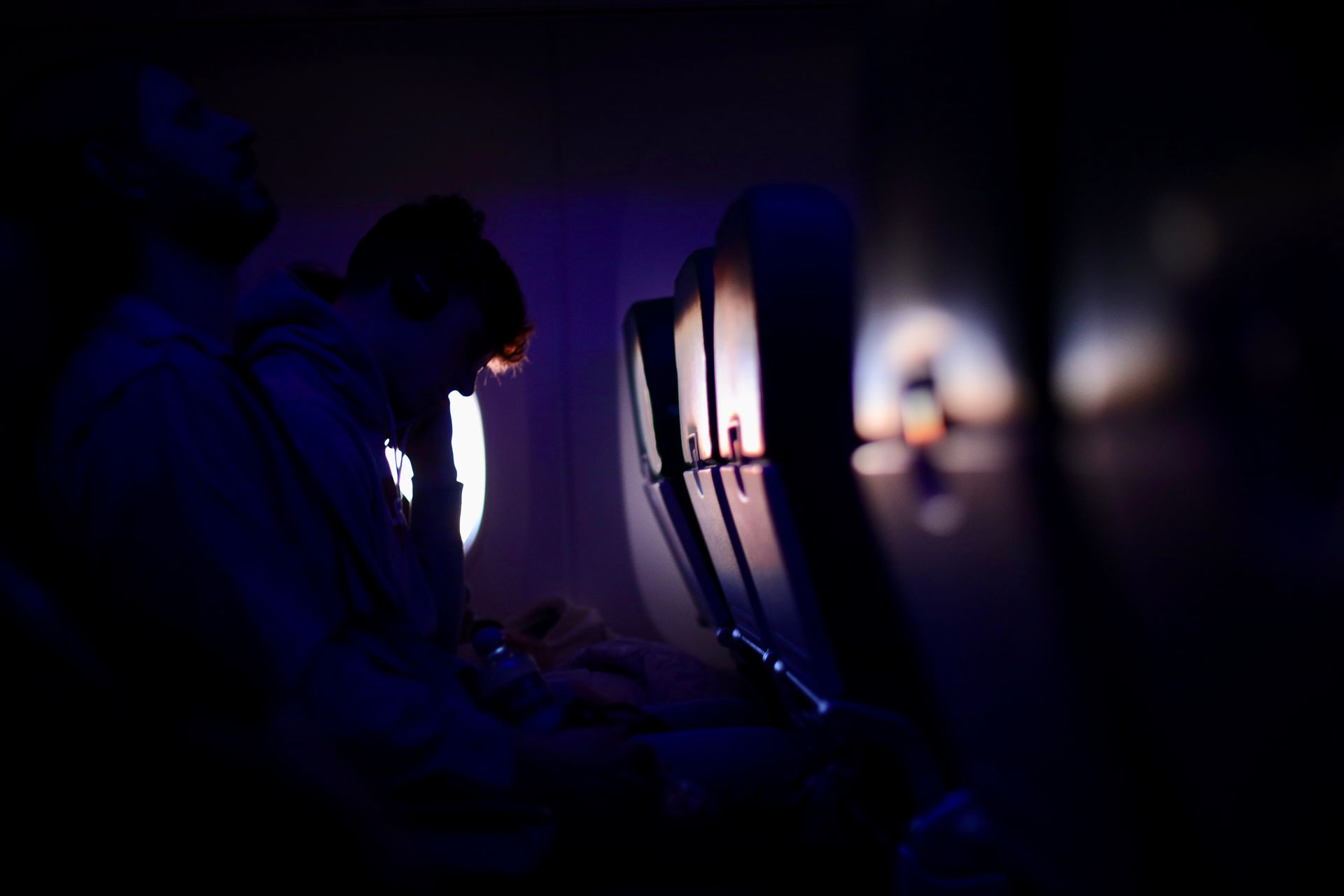
A long flight can feel endless when you cannot sleep, and landing tired can spoil the first day of your trip. The cabin is noisy, the seats are upright, the lights stay on, and your body clock is confused. With a little planning, though, most people can get real rest on a plane, even in economy class.
Learning how to sleep on a plane comfortably is about preparing before you board, choosing the right seat, and building a small routine that tells your body it is time to rest. This guide covers seat choice, sleep kits, food and drink, and what to do when you land, so you arrive feeling rested and ready to enjoy your trip.
Choose the Best Seat for Sleep
Your seat can make the biggest difference to how well you sleep. Window seats are usually best for sleep, because you can lean against the wall, you are not disturbed by people walking past, and you control the window shade. Aisle seats are easier for getting up, but you will be woken by the drinks trolley and by neighbours who need to move.
Try to choose a seat away from the galley and the toilets, where noise and lights are constant. Seats near the front of the plane are often quieter, and seats over the wing can feel smoother in turbulence. If you can, check in early or pay a small fee to choose a good seat, because the best seats go quickly on long flights.
Pack a Small Sleep Kit
A small sleep kit can turn an ordinary seat into a place where you can rest. Pack a good neck pillow that supports your chin, an eye mask that blocks out light, and earplugs or noise cancelling headphones to cut out engine noise and chatter. A light blanket or a large scarf can keep you warm, because cabins often feel cold at night.
Keep your kit in an easy to reach bag under the seat in front of you, not in the overhead locker. Put on your eye mask and headphones as soon as you are ready to sleep, so your body gets the message that it is rest time. A pair of soft socks can also help, because warm feet can make it easier to fall asleep.
Dress for Comfort and Warmth
What you wear on a long flight matters more than it looks. Choose loose, soft clothes in layers, so you can add or remove a layer as the cabin temperature changes. Avoid tight waistbands, stiff jeans, and shoes that pinch, because discomfort will keep you awake. Slip on shoes are a good choice, because you can take them off easily and put them back on quickly.
Wear a soft top with a hood or a scarf that you can use as extra support for your head. Avoid strong perfume or aftershave, because it can bother other passengers and make the cabin feel stuffy. Comfort is the goal here, not style, and a few small choices can make hours of sleep much easier.
Eat, Drink, and Time Your Sleep
What you eat and drink before and during a flight can help or hurt your sleep. Eat a light meal before you board, and avoid a heavy meal, too much caffeine, and alcohol before you try to sleep. Alcohol may make you feel drowsy at first, but it can wake you up later and leave you feeling worse when you land.
Drink water through the flight, because cabin air is very dry and dehydration can make you feel tired and groggy. Try to time your sleep to match your destination, so you sleep during the night there and stay awake during the day. For ideas on where to go once you land, read our guide to great vacation spots in the USA, which covers trips for every kind of traveller.
Use Sound, Light, and Routine to Fall Asleep
Your body needs signals to fall asleep, even on a plane. Put on a familiar playlist, a podcast, or white noise, and use your headphones to block out the cabin. Close your eyes, dim your screen, and try to follow the same routine you use at home, such as reading for a few minutes, stretching your neck, and breathing slowly.
Try the 4-7-8 breathing pattern: breathe in for 4 seconds, hold for 7 seconds, and breathe out for 8 seconds, and repeat it a few times. Avoid bright screens in the hour before you sleep, because blue light can keep your brain awake. If you cannot fall asleep at once, do not worry, just rest with your eyes closed and let your body relax.
Stay Safe and Comfortable on Overnight Flights
Safety and comfort go together on a long flight. Keep your valuables in a bag you can hold or in a pocket, and keep your passport and phone close to you. Get up and walk around every two or three hours if you are awake, and stretch your legs and ankles in your seat to help your circulation.
If you are travelling alone, a little extra planning can help you relax and sleep. Choose seats near other families or fellow travellers, keep your belongings tidy, and let someone at home know your flight details. For more advice, read our solo travel safety tips, which cover how to stay safe and confident when you travel alone.
What to Do When You Land
How you feel when you land depends partly on how you spent the flight, but also on what you do next. Get some daylight as soon as you can, because sunlight helps your body clock adjust. Drink water, eat a light meal at the local time, and take a short walk outside if you can. Avoid a long nap, because it can make jet lag worse.
If you do need a nap, keep it to 20 or 30 minutes and set an alarm. Go to bed at the local time that night, even if you feel tired earlier. A light routine on your first day can help you recover faster, so plan a relaxed first day and save the big activities for the next morning.
Frequently Asked Questions
Is it better to sleep on a plane during the day or night?
It is better to sleep when it is night at your destination, because that helps your body clock adjust faster. If you are flying east, try to sleep for part of the flight, and if you are flying west, a short nap may be enough. Match your sleep to the local time where you are going, not to the time where you started.
Should I take sleeping pills on a plane?
Most people do not need sleeping pills, and they can leave you groggy when you land. A neck pillow, eye mask, earplugs, and a calm routine are often enough. If you are thinking about sleeping pills, talk to your doctor first, and try them at home before you use them on a flight.
How can I sleep on a plane in economy class?
You can sleep in economy class with the right seat and a small sleep kit. Choose a window seat, use a neck pillow and eye mask, wear comfortable clothes, and block out noise with headphones. Lean against the wall, keep your feet flat, and follow a simple sleep routine to help your body relax.
Conclusion
Sleeping on a plane comfortably is a skill you can learn, and it starts before you board. Choose a window seat away from noise, pack a small sleep kit, dress in layers, and time your sleep to your destination. Use sound, light, and a simple routine to help your body rest, and stay safe and comfortable through the flight.
When you land, get daylight, drink water, and follow local time to beat jet lag. With a little planning, a long flight can become a chance to rest, and you can arrive ready to enjoy your trip from the first day.





Leave a Reply