


Water is the simplest health habit there is, and also one of the most confusing. You have heard to drink eight glasses a day, but you have also heard that coffee does not count, that you should drink a gallon, and that thirst is already too late. Which of these is true?
For most healthy adults, the answer is simpler than the advice suggests. Your body needs a steady supply of water, and it gives you clear signals when it needs more. This guide explains how much water you should drink per day, what changes your needs, and how to stay hydrated without overthinking it.
Where the 8 Glasses Idea Came From
The eight glasses rule is one of the oldest health tips around, and it has a strange history. It comes from a 1945 report by the US Food and Nutrition Board, which suggested about 2.5 liters of water a day for adults. The report also said that most of this water comes from food, but that part was forgotten, and the number became a simple rule: eight glasses of water a day.
The number is not wrong, but it was never a rule for everyone. It was a rough average, and your real needs depend on your body, your day and your weather. A small person in a cool office needs much less than a large person working outside in the heat.
What Actually Changes Your Needs
There is no single number that fits everyone. These five factors change how much water your body needs each day.
Body Size
Bigger bodies need more water. A person who weighs 90 kilograms needs more fluid than a person who weighs 55 kilograms, because there is more body to keep hydrated. Children need less in total, but they need it more often, because their bodies turn water over faster.
Weather and Heat
Hot weather makes you sweat more, and sweat is water leaving your body. On a hot day, you can lose an extra liter or more without noticing. Humid weather makes sweat less effective, so your body sweats even more. In winter, you still lose water through breathing, but you feel less thirsty, so it is easy to forget to drink.
Exercise
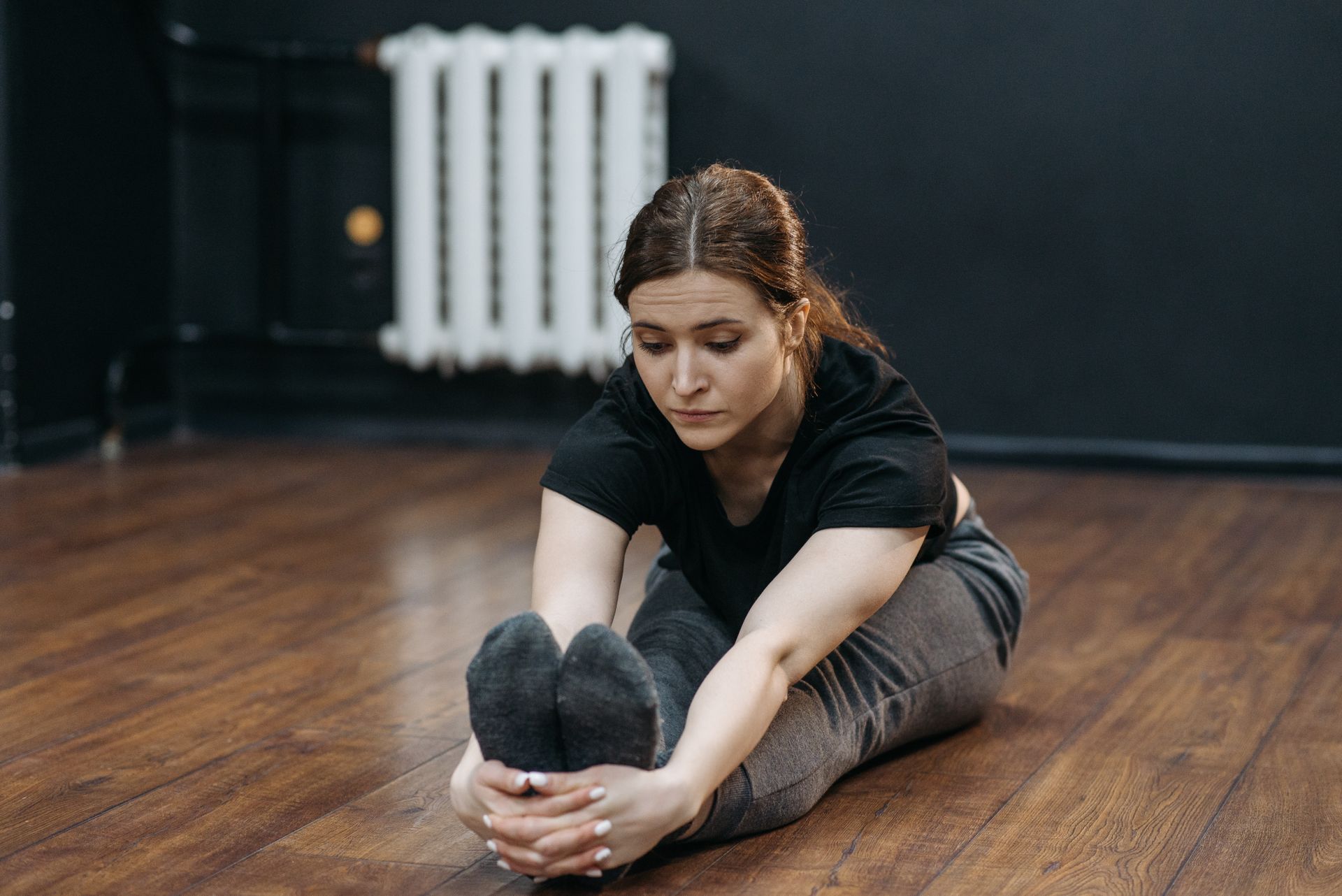
Exercise is the biggest short term change. A one hour workout can cost you half a liter to a liter of sweat, or more in the heat. Drink before you start, take small sips during, and drink again after. For most workouts, plain water is enough. Sports drinks are only useful for very long or very sweaty sessions.
Food Water Content
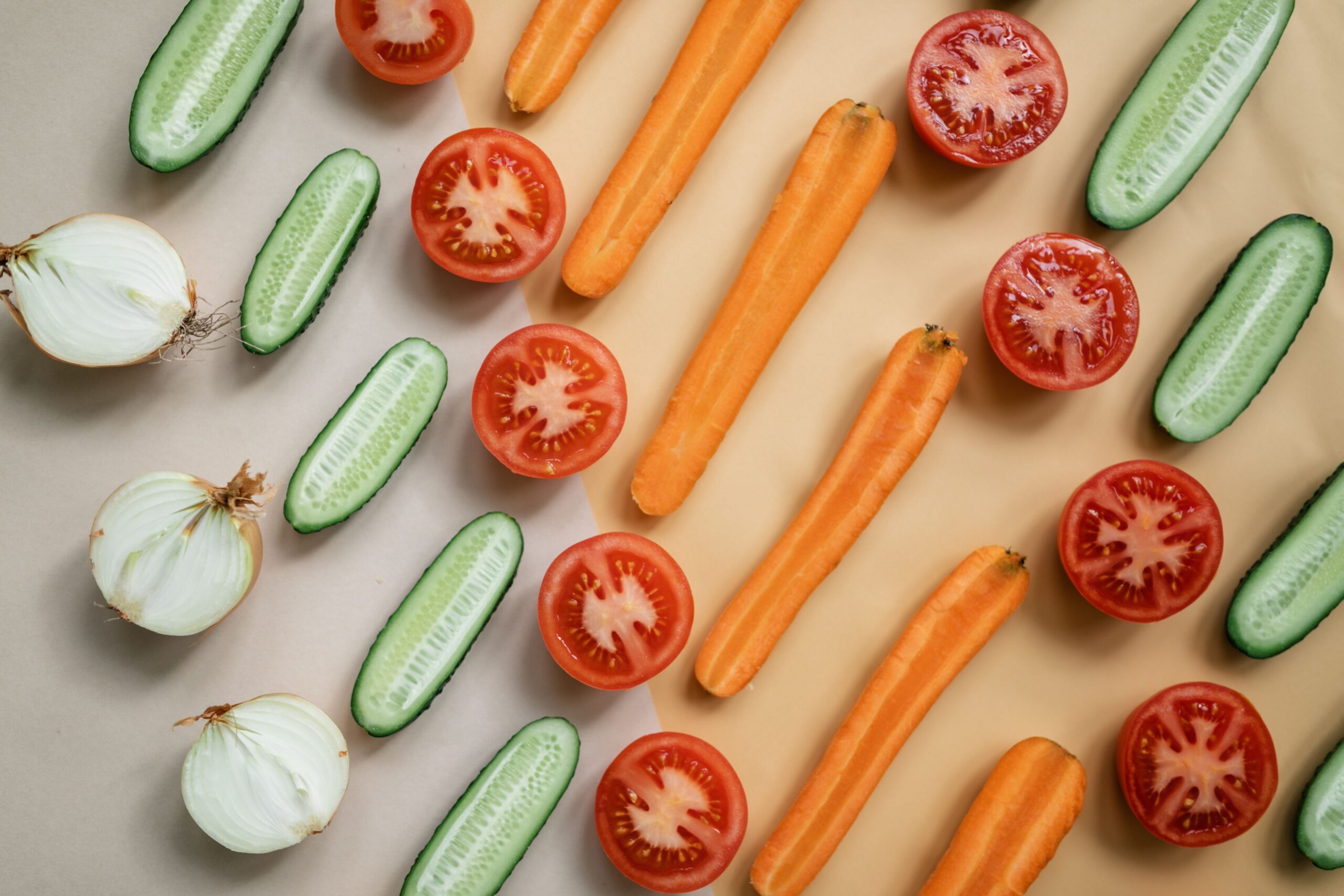
About a fifth of your daily water comes from food. Fruits, vegetables, soups and yogurt are mostly water. A diet rich in fresh produce can add half a liter or more to your daily intake, while a diet of dry snacks and salty foods adds almost none. Eating well is part of staying hydrated.
Illness
Fever, vomiting and diarrhea all make you lose water faster than normal, and they also reduce your wish to drink. When you are ill, sip water often in small amounts, and use oral rehydration drinks if a doctor or pharmacist advises it. Children and older adults need extra care here, because they dehydrate faster than healthy adults.
Thirst and Urine Color as Simple Guides
Your body has two simple guides that work better than any chart. The first is thirst. Drink when you feel thirsty, and stop when you feel satisfied. Thirst is not a late alarm for most people. It appears early, well before you are in trouble, so you can trust it in daily life.
The second guide is the color of your urine. Pale yellow means you are well hydrated. Dark yellow means you should drink a glass of water. Very dark urine, or going many hours without urinating, is a sign to drink more and pay attention. Clear urine most of the time can mean you are drinking more than you need, though a single clear result after a big glass is normal.
Signs of Too Little Water
Mild dehydration is common, and its signs are easy to miss. A dry mouth, a headache, tiredness, and trouble focusing are all early signs. Your lips may feel dry, and your skin may feel less elastic.
If you feel dizzy, confused or very tired, or if you have not urinated for many hours, drink water and rest. If symptoms do not improve, or if you cannot keep fluids down, seek medical help. These signs matter more in children and older adults, who may not feel thirst as clearly.
Simple Daily Habits
You do not need to carry a gallon jug to stay hydrated. A few small habits are enough. Start the day with a glass of water after you wake up, since you lose water overnight through breathing. Keep a bottle at your desk or in your bag, and refill it twice during the day. Drink a glass of water with each meal, and one more in the afternoon.
Tie drinking to things you already do, such as a glass of water before your morning coffee, or a glass while you wait for your tea. A bottle with marks for the day can help, but a simple rule works just as well: if your bottle is still full at lunch, you are behind.
For a strong start to the day that supports good hydration, read our guide to morning habits that boost your energy.
Myths About Drinking Water
Myth one: coffee does not count. In fact, coffee and tea do count toward your daily fluid. They are mild diuretics, which means they make you urinate a little more, but the water in them still hydrates you. A cup of coffee is not equal to a glass of water, but it is not zero either.
Myth two: you must drink a gallon a day. There is no rule that fits everyone, and forcing gallons can be harmful. Drinking far more than you need can dilute the salts in your blood, which is rare but serious. Listen to thirst, watch the color of your urine, and stop forcing water you do not want.
Myth three: thirst means you are already dehydrated. Thirst is an early signal, not a late one. For healthy adults doing normal activities, drinking when thirsty is enough.
FAQ
How much water should I drink per day?
Most healthy adults need around 2 to 3 liters of total fluid a day, including water from food. That is roughly 8 to 12 glasses, but your exact need depends on your size, the weather and how active you are. Use thirst and urine color as your guides.
Does coffee dehydrate you?
No, coffee does not dehydrate you. It makes you urinate a little more, but the water in the cup still counts toward your daily fluid. Tea works the same way. Water is still the best choice for most of the day.
Can you drink too much water?
Yes, though it is rare. Drinking many liters in a short time can dilute the salts in your blood and make you feel ill. This is mainly a risk for endurance athletes and people who force themselves to drink. For most people, thirst stops this from happening.
Conclusion
How much water you should drink per day has no magic number. Start with the 8 glasses idea as a rough guide, then adjust for your size, your weather and your activity. Drink when you are thirsty, check that your urine is pale yellow, and build small habits into your day.
This article is for general information only and is not medical or financial advice.







Leave a Reply