

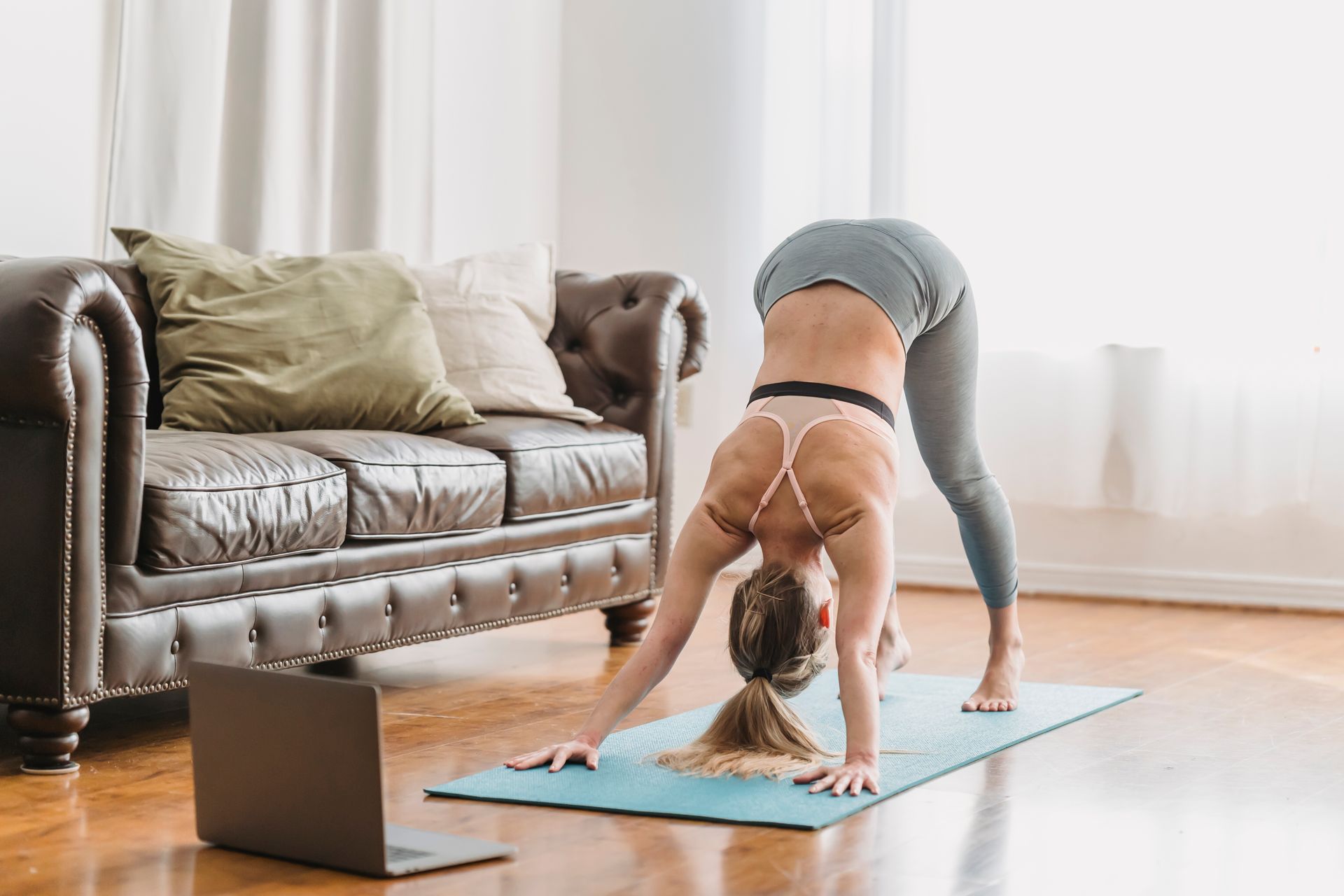
Starting to exercise can feel harder than the exercise itself. You wonder where to begin, how much is enough, and whether you are doing it right. The truth is simpler than you think: a beginner workout needs no gym, no fancy equipment, and no long sessions. All you need is a small space, a yoga mat, and a plan you can repeat three times a week. This beginner workout guide gives you that plan, step by step, so you can start at home today and build a habit that lasts.
Before we start, remember that you do not need to be fit to begin. You begin in order to become fit. Every person who exercises started with a first week that felt awkward and a little hard. Your job in the first month is not to be perfect. It is to show up, move gently, and let your body get used to the new routine.
Why Home Workouts Are Perfect for Beginners
Working out at home removes the two biggest barriers for beginners: time and self doubt. You do not need to travel anywhere, change in a locker room, or worry about who is watching. You can exercise in your living room in comfortable clothes, stop when you need a break, and restart when you are ready. That privacy makes it much easier to stay consistent.
Home workouts are also kind to your budget. A yoga mat and a water bottle are all you truly need, and you can add simple items like a resistance band later if you like. With no membership fee and no commute, there is nothing standing between you and your next session except the decision to start.
The Simple 3 Day Starter Plan
This plan uses just three days a week, with rest days in between. Each session takes about 20 to 25 minutes. Do the moves slowly, rest for 30 seconds between sets, and stop if anything hurts.
Day 1: Full Body Basics
Start with a gentle warm up of marching in place. Then do 10 squats to a chair, 8 wall push ups, 10 glute bridges, and a 20 second plank. Rest and repeat the set once more. Finish with slow stretches for your legs and back.
Day 2: Walk and Stretch
Walk for 20 minutes at a pace where you can still talk. Then spend 10 minutes stretching your neck, shoulders, hips, and legs. This easy day helps your muscles recover and builds a daily movement habit.
Day 3: Full Body Again
Repeat Day 1, and try to add one or two extra repetitions to each move. Small progress like this is the whole secret of a beginner plan: a little more each week adds up to a big change in a month or two.
The 8 Moves to Learn First
You do not need twenty exercises. Eight simple moves are enough for a full beginner plan. Squats build strong legs, wall push ups work your arms and chest, glute bridges wake up your hips, and a plank trains your core. Add marching for coordination, calf raises for balance, bird dogs for posture, and dead bugs for a gentle core. Learn them one at a time and keep your form slow and controlled.
Good form matters more than speed or weight. Keep your back straight, your knees soft, and your breathing steady. If a move feels wrong, make it smaller or easier. A wall push up is a real push up, a squat to a chair is a real squat, and a short plank is a real plank. Start where you are and grow from there.
How to Warm Up and Cool Down
Never skip the warm up. Five minutes of gentle movement wakes up your muscles and tells your body that exercise is coming. March in place, roll your shoulders, swing your arms gently, and take a few slow breaths. Your muscles will feel warmer and looser, and your workout will feel easier.
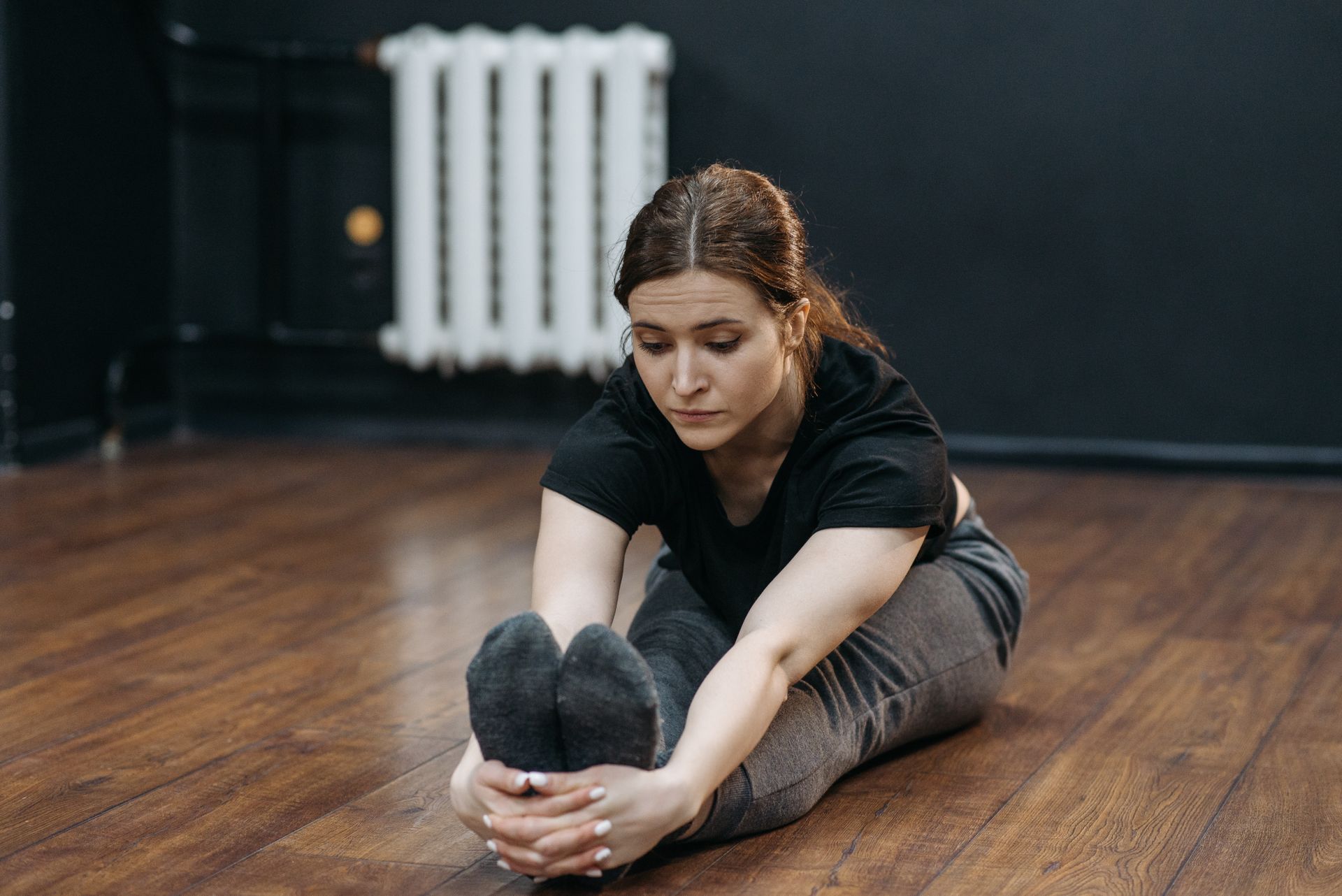
Cooling down is just as simple. Slow your pace for two minutes, then stretch the muscles you used. Hold each stretch for about 20 seconds and breathe slowly. A calm cool down helps your heart rate settle and leaves your body feeling relaxed instead of stiff the next day.
How Much Should You Exercise Each Week
For most adults, the goal is about 150 minutes of moderate movement each week, plus two days of simple strength work. Three 25 minute sessions of this beginner plan already cover most of that, and a short walk on other days fills the rest. If 150 minutes sounds like a lot, start with 60 and add a little each week. Small amounts still count.
Rest is part of the plan, not a break from it. Your muscles grow stronger on rest days, so give them a day off between strength sessions. If you sit at a desk all day, our desk stretches for back and neck pain can help you stay loose between workouts. Listen to your body: mild soreness is normal, sharp pain is a sign to stop.
Eating, Sleep, and Recovery on a Beginner Plan
Exercise works best when the rest of your day supports it. Drink water before, during, and after your workout, and eat a simple meal with protein and vegetables afterwards. You do not need special supplements or a strict diet. Regular food, enough water, and a little patience will do more than any powder.
Sleep is where your body repairs itself, so it is as important as the workout. If your sleep is poor, your energy and your results will suffer too. Our guide on how to sleep better shares simple habits that help. A good morning routine also helps: see our morning habits that boost energy for easy ways to start the day ready to move.
Staying Motivated When Progress Feels Slow
Motivation does not stay high on its own, so plan for the days it fades. Pick a regular time, lay out your mat the night before, and track your sessions on a calendar. Seeing a row of ticked days is its own reward. If you miss a day, do not quit. Skip it, and simply do the next one.
Measure progress in small ways. Notice when stairs feel easier, when you can do one more squat, or when you sleep better. These quiet wins are the real results of a beginner plan. Celebrate them, and keep going. The person who shows up three times a week for three months beats the person who trains hard for one week and stops.
Frequently Asked Questions
How long should a beginner workout be?
About 20 to 30 minutes is enough, including a warm up and a cool down. Short sessions are easier to repeat, and repeating them is what builds fitness. You can make sessions longer after a few weeks, once the habit is set.
Do I need equipment to work out at home?
No. A mat is all you need to start. Bodyweight moves like squats, push ups, and planks use your own weight as resistance. You can add a resistance band or light dumbbells later, but they are extras, not requirements.
Is it normal to feel sore after my first workouts?
Yes. Mild soreness for a day or two after your first sessions is normal as your muscles get used to moving. It should fade as you keep going. If the soreness is sharp, lasts more than a few days, or stops you moving normally, rest and see a doctor if it worries you.
Conclusion
The best beginner workout plan is the one you can actually do three times a week, in your own home, with no excuses in the way. Start with the simple 3 day plan, learn the eight moves, warm up, cool down, and rest well. Small steps, repeated for a few months, will change how strong and how energetic you feel. Roll out your mat, start small, and keep showing up.
This article is for general information only and is not medical or financial advice.








Leave a Reply