


Most of us know what a healthy life looks like. We plan to drink more water, move more, sleep better, and eat well. Then a busy week arrives, and the plan falls apart. The problem is rarely a lack of willpower. It is usually a plan that is too big, too vague, or too hard to keep on a normal day.
Learning how to build healthy habits is about starting small and making the new habit easy to repeat. A habit that takes two minutes, fits into a routine you already have, and gives you a small sense of success is far more likely to last than a grand plan that demands an hour a day. This guide shows you how to choose the right habits, start them, and keep them going.
You do not need to change your whole life at once. Pick one habit, tie it to a moment you already trust, and repeat it until it feels normal. Then add the next one. Over weeks and months, those small choices add up to better energy, better sleep, and a stronger sense of control over your health.
Start Small, and Start With One Habit
A common mistake is to try five new habits in the same week. You may manage for a few days, then feel tired and give up on all of them. A better way is to choose one habit that matters to you, and make it so small that you cannot fail. If you want to walk more, start with a ten minute walk after lunch. If you want to drink more water, start with one glass before breakfast.
Small wins matter because they build trust in yourself. Each time you complete a tiny habit, you prove that you can keep a promise to yourself. That trust makes the next step easier. When the first habit feels easy for two weeks, make it a little bigger, or add a second habit in the same part of your day.
Attach a New Habit to a Habit You Already Have
Habits are easier to keep when they have a clear trigger. A trigger is a moment in your day that reminds you to act, such as brushing your teeth, making coffee, or arriving home from work. Link your new habit to one of those moments. For example, do five minutes of stretching after you brush your teeth, or drink a glass of water while your coffee brews.
Write the link down in a simple sentence, such as after lunch, I will walk for ten minutes. A clear plan removes the need to decide in the moment, and that is often when a habit fails. You do not have to feel motivated. You only have to notice the trigger, then do the small action that follows it.
Make Healthy Choices Easy to See
Your surroundings shape your choices more than motivation does. If fruit is on the table and your walking shoes are by the door, those choices are easy. If your phone is in your hand at bedtime and snacks are beside your desk, those habits are easy too. Design your home and your day so the healthy choice is the simple one.
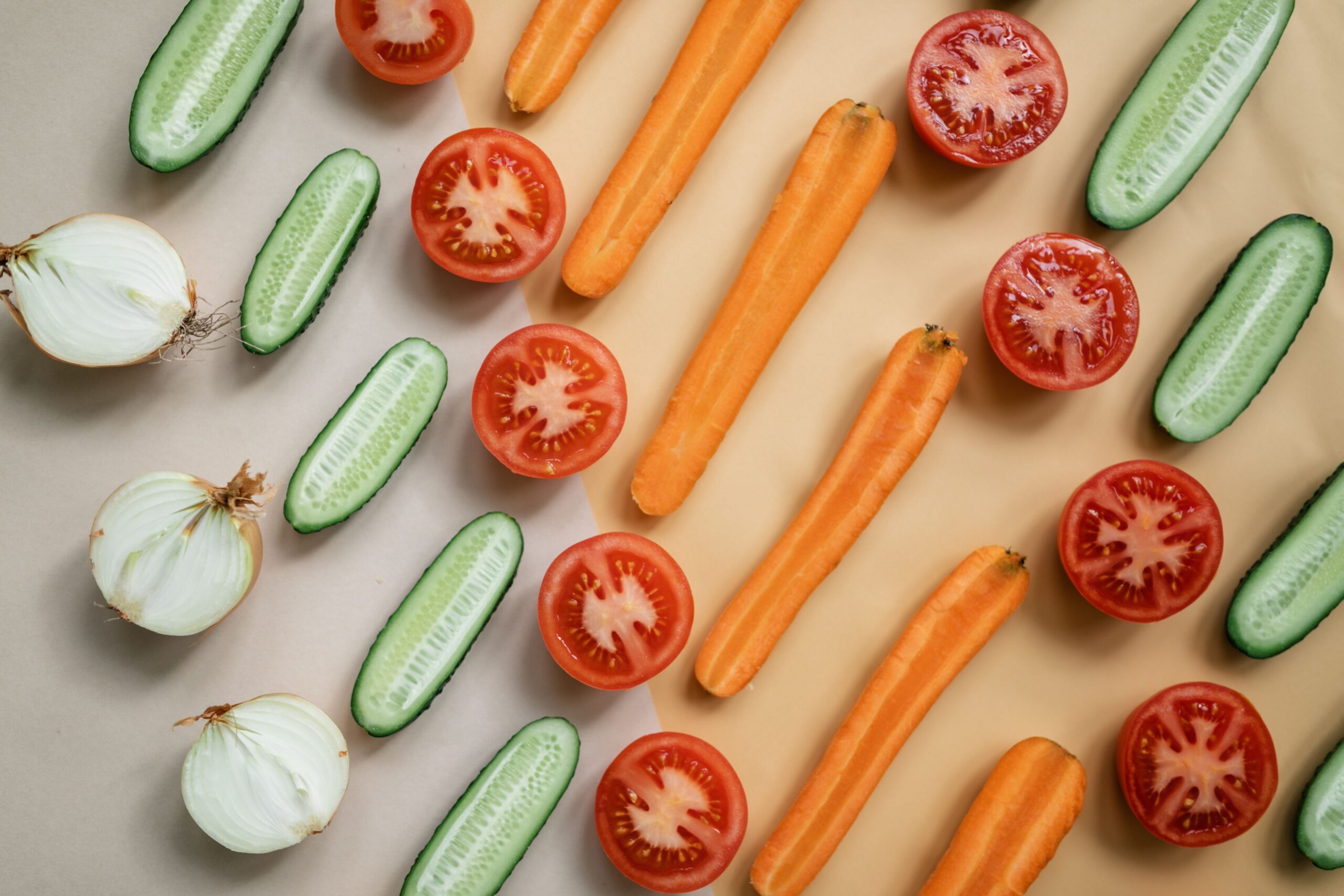
Food is a good place to start. Learning more about healthy foods can help you plan meals that give you steady energy, rather than a quick lift followed by a slump. Keep simple foods at home, such as oats, eggs, fruit, vegetables, beans, and wholegrain bread, and plan one or two meals ahead so a busy evening does not lead to a rushed choice.
Sleep also deserves a clear routine. Go to bed and wake up at similar times, even at the weekend, and keep your bedroom cool, dark, and quiet. Put your phone to charge outside the bedroom if you can, and choose a calm activity for the last half hour, such as reading or stretching. Good sleep makes every other habit easier the next day.
Track Progress Without Being Harsh
Tracking helps you see progress that you might otherwise miss. Mark each day you complete your habit on a calendar, in a notebook, or in a simple app. A growing chain of marks is satisfying, and it shows you that a habit is becoming part of your life. Do not aim for a perfect chain. Aim for a pattern you can keep most days.
When you miss a day, be kind to yourself and return the next day. One missed day does not erase your progress, and it does not mean you have failed. Research on habits shows that missing once has little effect, while missing twice in a row makes it harder to return. A simple rule helps: never miss twice.
Get Support and Keep Going After a Slip
Habits are easier with support. Tell a friend or family member what you are trying to do, or join a group that meets to walk, cook, or exercise. A walking partner, a shared meal plan, or a simple message of encouragement can keep you going on days when your own energy is low. Choose people who support you, not people who tease your efforts.
Plan for hard days in advance. When you are tired, busy, or away from home, do a smaller version of your habit instead of skipping it. A five minute walk still counts, a simple meal still counts, and going to bed a little earlier still counts. The goal is to keep the habit alive, even in a small form, until a normal day returns.
Frequently Asked Questions
How long does it take to build a healthy habit?
It varies from person to person, and it depends on the habit. A simple habit, such as drinking water in the morning, may feel natural in a few weeks. A bigger habit, such as a regular exercise routine, may take a few months. Focus on repeating the habit often, rather than on a fixed number of days, and let it grow at your own pace.
How many healthy habits should I start at once?
Start with one. When that habit feels easy, add another. Trying to change too much at once often leads to stress and a quick stop. One habit at a time gives you a clear focus, a better chance of success, and a sense of progress that keeps you going.
What should I do if I keep breaking a healthy habit?
Make the habit smaller, or change its trigger. A habit that keeps failing is often too big or too vague for your current life. Try a two minute version, do it at a different time of day, or remove a barrier that stands in the way. If a habit still does not fit, choose a different habit that gives you a similar benefit.
Conclusion
Healthy habits do not need to be dramatic. They need to be small, clear, and repeated often. Choose one habit, tie it to a moment you already trust, make it easy to see, and track it with kindness. When you miss a day, return the next day and keep going. Over time, those small steps can change how you feel, how you sleep, and how much energy you have.
Start today with the smallest version of the habit you want. A ten minute walk, a glass of water, or an earlier bedtime is enough to begin. Your future self will thank you for the small choice you made today, and for the habit that grew from it.
This article is for general information only and is not medical or financial advice.








Leave a Reply