

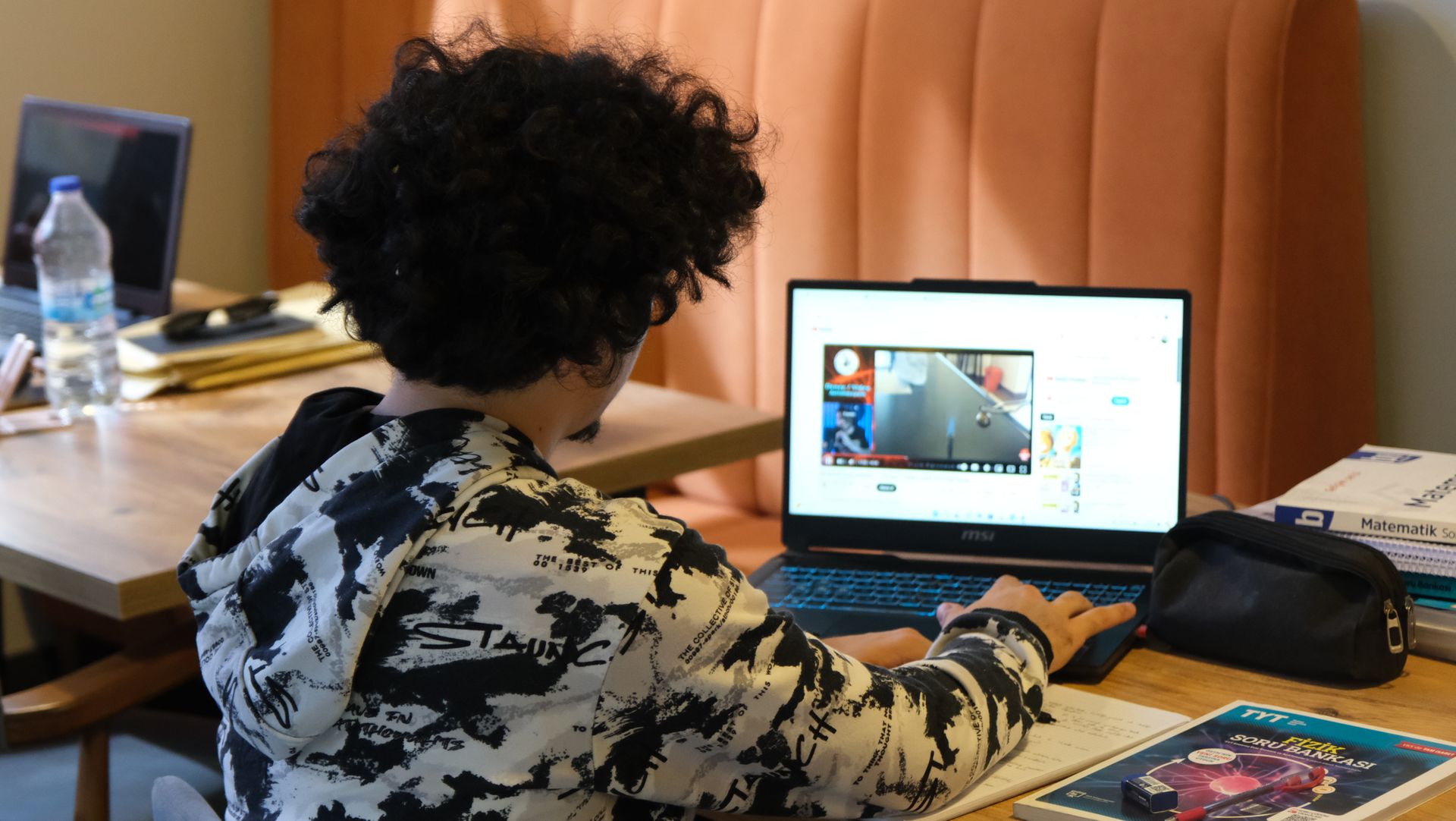
More families than ever are asking how does online school work, and the answer is simpler than many people expect. Online school is real school, just taught through a computer instead of a classroom. Students log in from home, join live lessons, do homework and take tests, all with a teacher guiding them. This guide explains how it all works, step by step, so students and parents know exactly what to expect.
You do not need to be a tech expert to learn online. If you can send an email and join a video call, you can manage online school. Many students also build extra skills while they learn online. If you want to try it out first, our guide to learn a new skill online for free shows how to start learning from home with no cost at all.
In this guide, you will see what a school day looks like, what tools students need, what works well and what is hard, and how parents can help. Whether you are a student thinking about online school or a parent weighing the choice, you will finish with a clear picture.
What Is Online School?
Online school is a full school program delivered over the internet. Students learn from teachers through live video lessons, recorded lessons, online books and learning apps. They follow a normal school curriculum, complete assignments and earn grades, just like students in a physical school. Some online schools are run by public school systems, while others are private programs for homeschooling families.
There are two main styles. In live online school, students join classes at set times and can ask questions in real time. In self paced programs, students watch lessons when it suits them and move at their own speed. Many schools mix both, with live lessons for discussion and recorded lessons for review. Parents choose the style that fits their child best.
How a Typical Day Works
A typical online school day starts with logging into a learning platform, where the student sees a list of lessons, assignments and messages from teachers. The day usually mixes live classes with quiet study time. A student might join a math lesson at 9 in the morning, watch a science video after lunch, and finish homework in the afternoon. Breaks are built into the day, just like recess at a normal school.
Live Lessons
In live lessons, the teacher teaches over video, shares a screen and asks students questions. Students can raise a virtual hand, type answers in the chat or speak through a microphone. Lessons are usually 30 to 60 minutes, and many schools record them so students can watch again later.
Homework and Study
Homework is set through the platform, with clear deadlines and instructions. Students type their work, upload photos of drawings or record short videos. Teachers give feedback online, so students can see how they did and what to improve. A short daily routine, such as one hour of study after class, keeps students on track.
Tests and Grades
Tests are taken online too, with timer based quizzes and written exams. Some schools use video checks to make sure the student takes the test alone. Grades appear in the parent and student portal, so progress is easy to track. Report cards come at the same times as in a normal school.
What Do Students Need to Start?
Students need a few basics: a computer or tablet, a steady internet connection, headphones and a quiet place to work. Most schools list the exact tools they use, such as a learning app and a video call program. A notebook and pens still help, because writing notes by hand helps students remember. Families do not need the most expensive gear, just gear that works well every day.
It also helps to set up a simple study space. A small desk near a window, a chair that supports good posture and a box for books and chargers is enough. Keep snacks and water nearby, and keep phones and games out of reach during lesson time. A tidy study corner tells the brain it is time to learn, and that small habit makes a big difference.
The Pros of Online School
Online school has real benefits. Students who live far from a good school can learn with strong teachers without a long journey. The schedule can flex around sports, health needs or a family move. Students can also repeat recorded lessons as many times as they need, which helps when a topic is hard. For many families, the calm home setting suits children who feel anxious in busy classrooms.
It can also teach independence. Students learn to manage their time, check deadlines and ask for help online, skills that help in college and at work. Parents can see their child progress each day, which makes it easy to spot problems early and talk to the teacher before they grow.
The Challenges and How to Handle Them
Online school is not perfect. Students can feel lonely without classmates nearby, and screen time can be tiring. Parents worry about motivation and distraction, because a child can open a game tab in seconds. The fix is routine: a set start time, regular breaks, a study space that is only for school, and time with friends after class. Schools also offer clubs, group projects and video calls that keep students connected.
Tips for Parents
Parents play a big role in online school. Keep a simple weekly check, look at grades and talk with your child about what they enjoyed and what was hard. Help them plan their time, but let them take charge of their own work as they grow older. For older students, it helps to think ahead: read our guide on how to create a career plan to help your child set goals and grow their career after school.
Who Is Online School Best For?
Online school suits many kinds of students. It works well for families who move often, for students with health needs, for young athletes and artists with busy schedules, and for children who learn better in a calm setting. It also suits students who need extra time or who want to move faster. The key is the student style: children who can manage time and ask for help tend to do best.
How to Choose the Right Online School
Not every online school is the same, so compare a few before you choose. Check that the school is accredited and that its teachers are qualified in the subjects they teach. Ask about class sizes, live lesson hours and how teachers support students who fall behind. Watch a free demo lesson if you can, and read reviews from other parents. If the school is open about fees and results, it is a good sign.
Frequently Asked Questions
Is online school as good as normal school?
It can be just as good when the program is strong and the student follows a steady routine. Accredited online schools teach the same subjects and give recognized certificates. What matters most is the quality of the teachers, the effort of the student and the support at home.
Can students make friends in online school?
Yes, many online schools run clubs, group projects and video hangouts where students meet each other. Some schools also hold meetups and sports days. Parents can help by joining local clubs, sports or groups, so their child has friends both online and in real life.
Do colleges accept online school diplomas?
Colleges accept diplomas from accredited online schools, because the subjects and standards match normal schools. When you choose a program, check that it is accredited in your area and that it covers the subjects colleges ask for. Keep good records of grades and courses, so college applications are easy.
Conclusion
Now you know how online school works, from live lessons and homework to tests, daily schedules and parent support. It can be a great choice for many students, as long as you pick a good program, build a steady routine and keep time for friends. Talk with your child, visit a program demo and choose the path that fits your family best.








Leave a Reply