

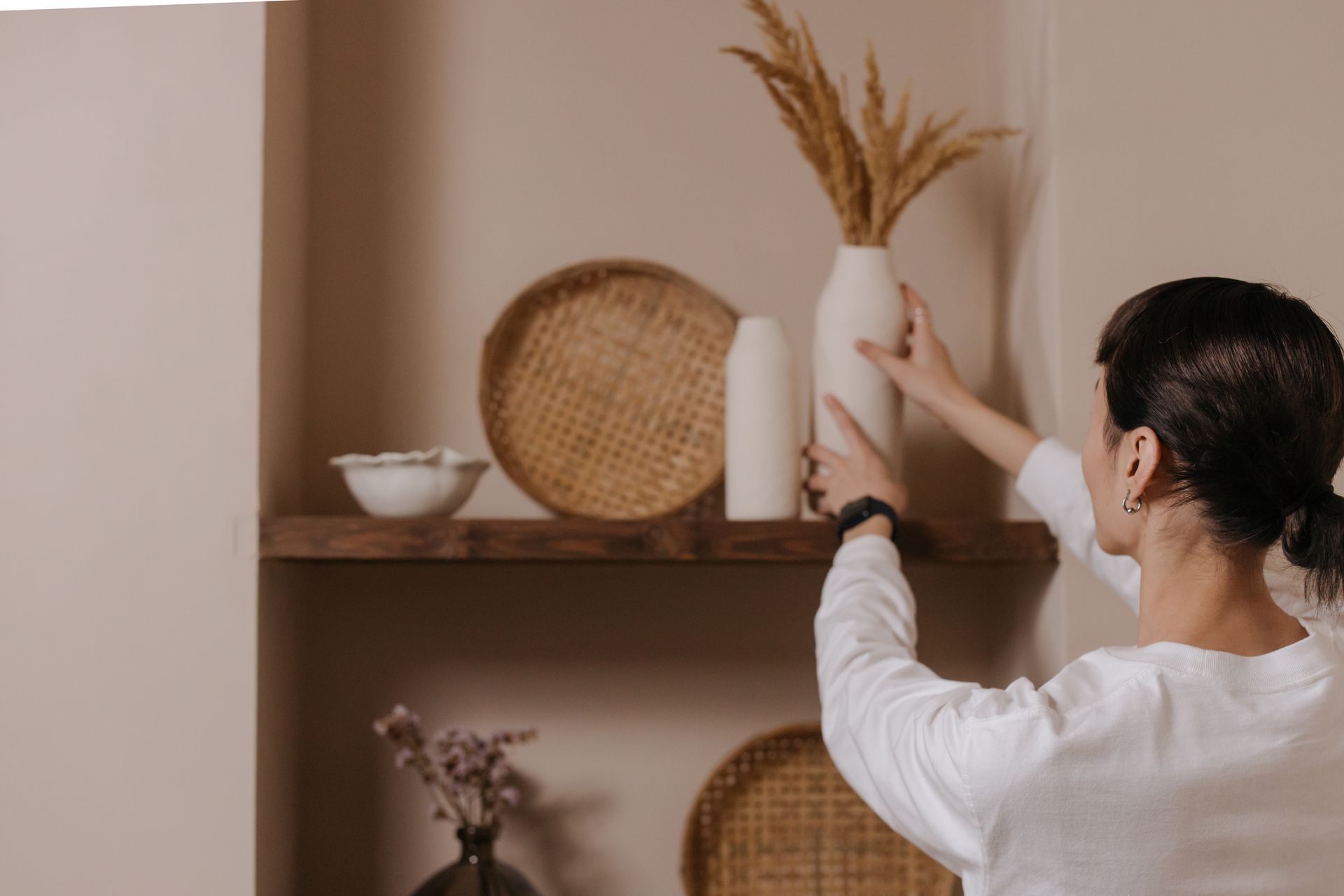
Does your home feel harder to live in than it should? You are not alone. Most homes slowly fill up with things we do not need, and the clutter makes simple tasks take longer. Finding your keys or cooking dinner feels harder when every surface is crowded. The good news is that you do not need a total makeover. Learning how to organize your home is a skill, and it starts with small, clear steps that anyone can follow.
The secret is to work one room at a time instead of trying to fix the whole house in a single day. When you focus on one space, you can see progress fast, and that progress keeps you motivated. Before you begin, it helps to clear out what you no longer need. If your home feels full of things you no longer use, read our guide to declutter your home in 7 days and clear the extra items first. Then you can organize what is left with a clear head and empty shelves.
This guide walks you through each room, one at a time, with simple steps you can finish in an afternoon. You will learn where to start, which storage helps most, and how to set up systems that are easy to keep. You do not need expensive containers or a perfect home. You need a plan, a few basic supplies and a little patience. Let us begin with a simple plan that makes the whole project feel doable.
Start With a Simple Plan
Every organized home starts with a plan, not with buying boxes. Walk through your home with a notebook and write down what bothers you most in each room. Note the places where clutter builds up, the drawers you avoid opening and the surfaces that never stay clear. Then pick the room that bothers you most and start there. A quick win in one room gives you energy for the rest. Set a timer for one hour and stop when it rings, so the work stays fun and you do not burn out.
Gather a few supplies before you start: three bags or boxes labeled keep, donate and relocate, plus trash bags, a marker and labels. The relocate box is for things that belong in another room. When you find a stray item, drop it in the relocate box instead of walking it across the house. This keeps your focus on the room you are working in. Finish one room before you start the next, and you will see real change instead of half finished piles.
Organize the Kitchen
The kitchen works best when the things you use every day are easy to reach. Start by clearing the counters completely. Wipe them down and put back only the items you use daily, such as the coffee maker or the knife block. Move the rest into cupboards. Then work through one cupboard at a time. Take everything out, group similar items together, and return only what you use. Toss broken gadgets and expired food without guilt, and donate the duplicates.
Use simple zones to keep the kitchen tidy. Keep cooking tools near the stove, plates and glasses near the dishwasher, and food storage near the pantry. Small bins inside drawers stop utensils from sliding around. Clear containers with labels make it easy to see what you have, so you buy less and waste less. A short weekly tidy stops the kitchen from sliding back into mess.
Organize the Bedroom
Your bedroom should help you rest, not remind you of clutter. Start with the wardrobe, the biggest source of mess in most bedrooms. Take out everything and try the simple test: if you have not worn it in a year, let it go. Keep the clothes you love and wear often at eye level, and store off season items in labeled boxes on a high shelf. Slim matching hangers save space and make the wardrobe look calm at a glance.
Then clear the bedside table and the top of the dresser. Keep only what you reach for daily: a lamp, a book and a glass of water. Everything else needs a home in a drawer or a basket. A small tray on the dresser holds your keys, watch and wallet so they are always in one place. Make the bed every morning, and the whole room will look twice as tidy with almost no effort.
Organize the Bathroom
Bathrooms collect small things fast, so they need the same simple approach. Empty the cabinet and the shelf under the sink. Check every bottle and throw away old medicines, dried out creams and products you never use. Keep only what you use each week within easy reach. Group the rest by type in small baskets, one for hair care, one for skin care and one for cleaning. Labels help everyone in the family put things back in the right place.
Organize the Living Room
The living room is where you relax and welcome guests, so it should feel calm and open. Start with the flat surfaces: the coffee table, the side tables and the TV stand. Remove everything, dust the surfaces and return only a few items you love. Keep only the decorations you love and store the rest. Sort the books and magazines, keep the ones you will read again, and pass on the rest to friends or a charity shop.
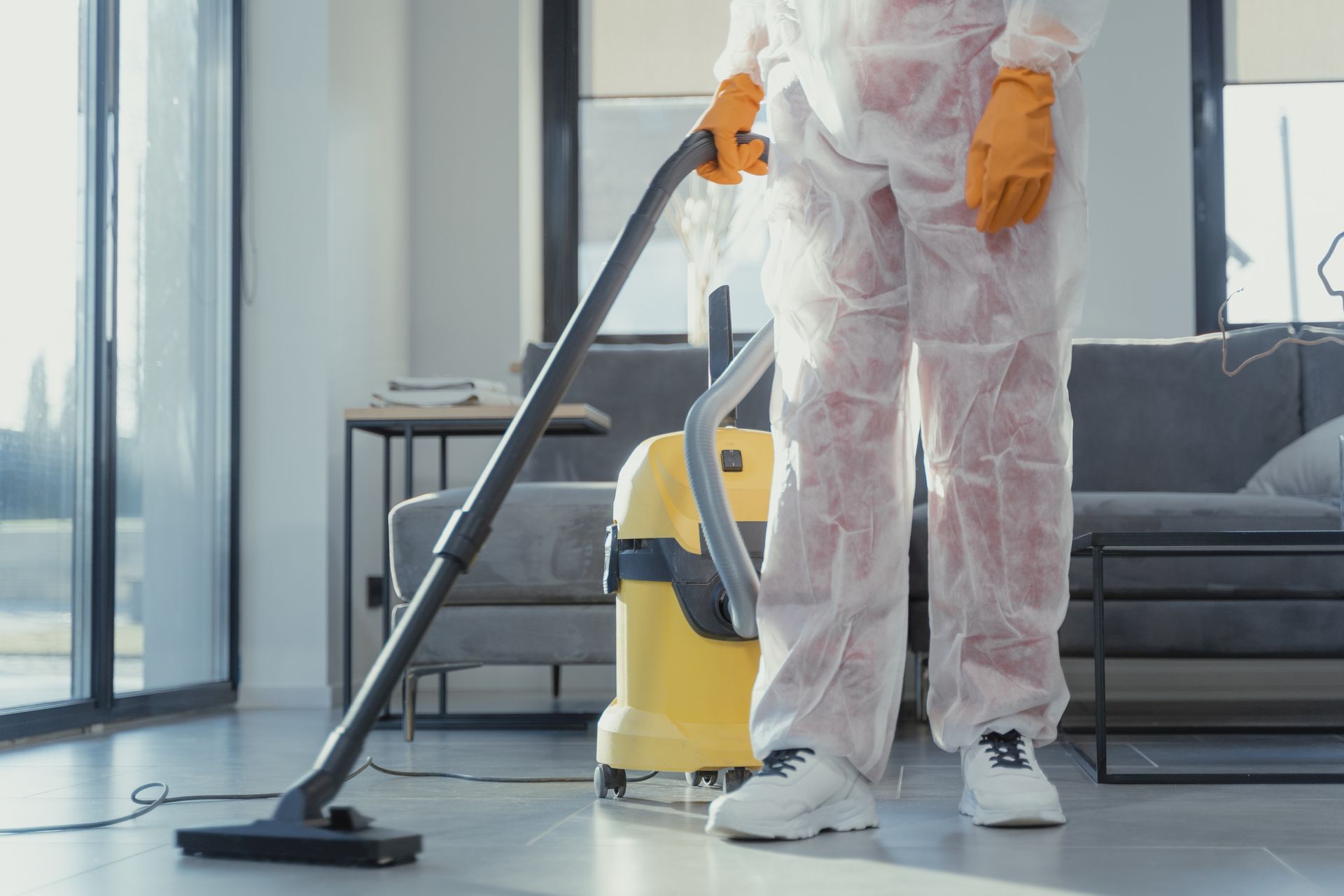
Give every item a home. Remote controls live in a small basket, charging cables in a drawer, and board games on one shelf. A storage ottoman hides blankets and toys and doubles as extra seating. Once each room is organized, a clean space shines even more, so you may want to follow our guide on how to deep clean a house room by room to give every surface a fresh start.
Organize Storage Spaces and the Home Office
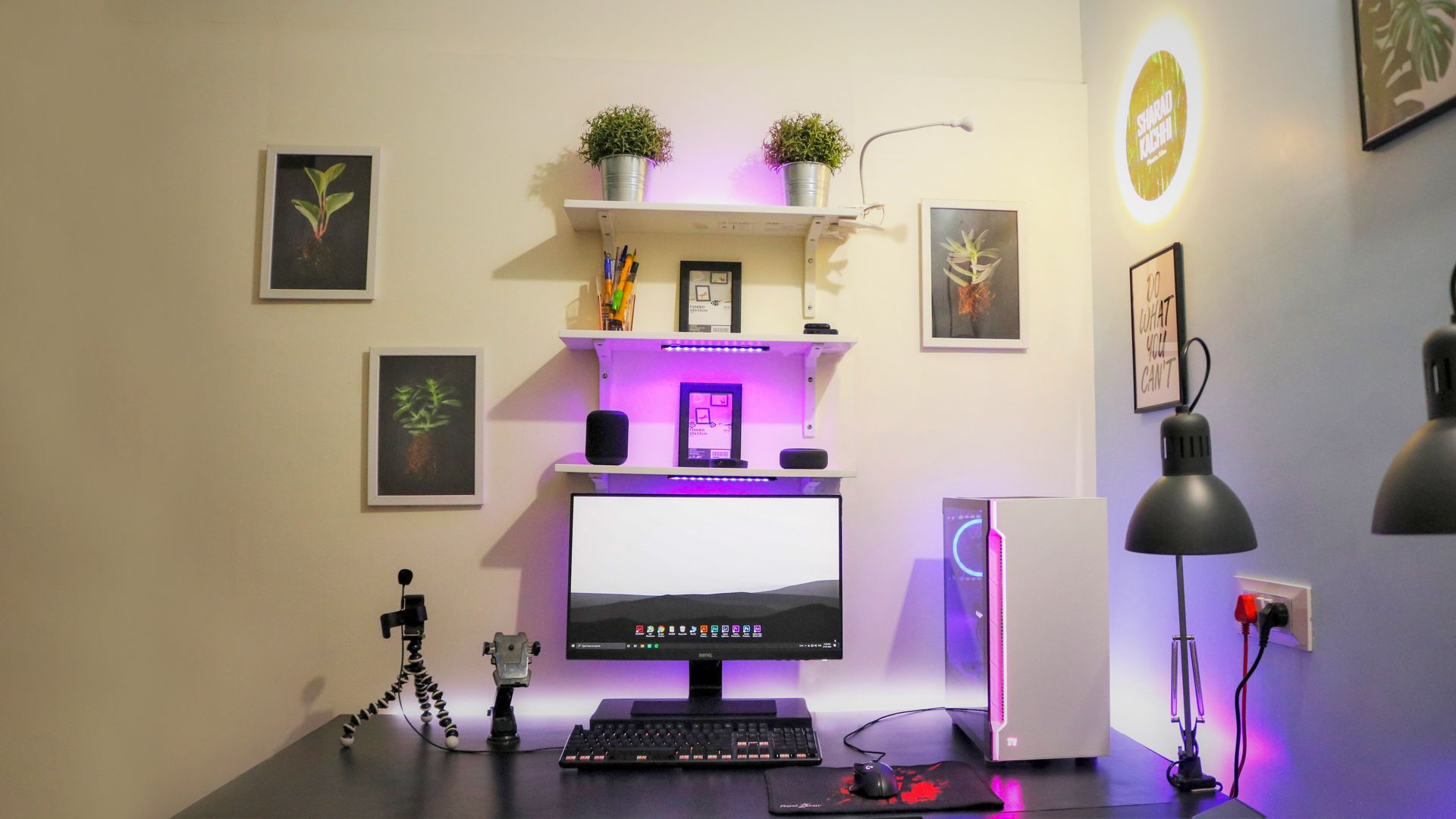
Storage spaces hide the most clutter, so tackle them after the main rooms. Open the cupboard under the stairs, the top of the wardrobe and the garage one at a time. Group what is left by type, tools together, cleaning products together and keepsakes together, then label each box clearly. When you can see labels at a glance, you stop buying things you already own. If you work from home, keep a small desk zone tidy and clear it at the end of every day.
Build Habits That Keep It Organized
Organizing once is easy, but staying organized is the real skill. Use the one in, one out rule: every time something new comes into the house, one old item leaves. Teach everyone in the family where things belong. Spend five minutes each evening putting things back, and do a weekly 15 minute reset on the same day each week. Small daily steps like these keep your home tidy without big weekend cleanups.
Frequently Asked Questions
How long does it take to organize a whole home?
Most homes take one to two weeks when you work one room at a time for an hour a day. Small apartments may take only a weekend, while large family homes take longer. Do not try to finish everything in one day. Slow steady progress lasts longer than one exhausting weekend, and it lets you build habits as you go.
What should I do with items I am not sure about?
Put unsure items in a box with a date written on it and store it out of sight. If you do not open the box in three months, donate it without opening it. For sentimental items, keep a small memory box and photograph the rest. You keep the memory without keeping the clutter, and the photo takes up no shelf space at all.
How do I keep my home organized with kids or pets?
Give children a few easy jobs they can do every day, like putting toys in a basket before bed, and keep their storage low so they can reach it. Use washable bins, hooks at their height and a simple routine they can follow. For pets, keep leashes, food and toys in one spot by the door, and choose fabrics that clean easily. Simple systems work best for busy families.
Conclusion
You now know how to organize your home one room at a time. Start with a simple plan, clear the counters, sort each cupboard and give every item a home. Then keep it tidy with five minutes a day and a short weekly reset. Your home will feel calmer, your mornings will run smoother, and you will spend less time looking for things. Pick the room that bothers you most and start today.





Leave a Reply