

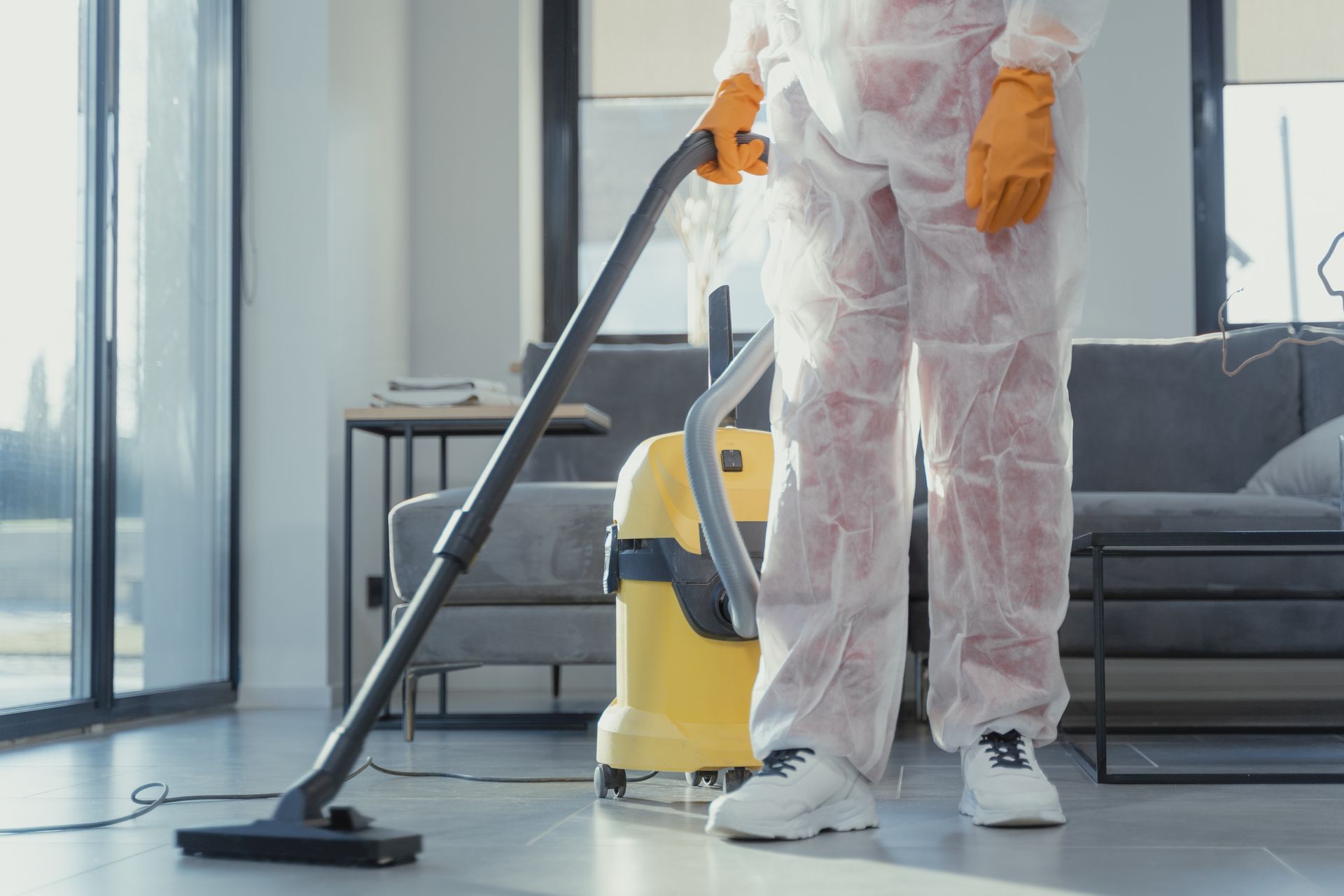
Your home can look clean on the surface while dust on the ceiling fan, grease on the kitchen cupboards, and grime in the shower tell a different story. A regular tidy up keeps things pleasant, but every home needs a proper deep clean from time to time. Learning how to deep clean a house room by room turns a big, tiring job into a clear plan that you can follow one space at a time.
This complete checklist walks you through each room, explains what to clean and how to clean it, and shows the order that saves time and effort. Whether you are preparing for guests, moving somewhere new, or simply want a fresh start, this guide will help you finish the job properly and keep your home feeling clean for longer.
What Deep Cleaning Means and Why It Matters
Deep cleaning goes beyond the daily or weekly routine. Regular cleaning handles the visible mess, such as crumbs, dust, and dirty dishes. A deep clean reaches the places that are easy to forget: behind the furniture, inside cupboards, under the sink, and along the tops of doors and light fittings. It removes built up dirt and allergens that daily cleaning leaves behind.
A deep clean is worth the effort for several reasons. It improves the air you breathe, because dust and pollen collect in carpets, curtains, and vents. It also helps your home last longer, because grime wears down surfaces, taps, and appliances over time. Most homes benefit from a deep clean every three to six months, and a full day of work twice a year suits many families well.
Gather Your Supplies Before You Start
Having everything ready before you begin saves trips to the shop and keeps your momentum going. You do not need expensive products. A few reliable basics will handle almost every surface in the house, and you probably own most of them already.
Start with an all purpose cleaner, a bathroom cleaner, a glass cleaner, and a disinfectant. Add white vinegar and baking soda, which are cheap and useful for removing limescale, grease, and smells. You will also need a bucket, a mop, a broom, a vacuum cleaner, microfibre cloths, a scrubbing brush, rubber gloves, and a few old toothbrushes for tight corners and taps.
Keep a rubbish bag and a laundry basket nearby for anything that needs to be thrown away or washed. Always work from the top of the room down, so dust falls onto floors that you clean last. This simple rule stops you from cleaning the same surface twice.
The Room by Room Deep Cleaning Checklist
Use this checklist room by room, and work in the order that saves the most effort: start with the rooms that need the most work, and finish with the ones that are quick to refresh.
Kitchen
The kitchen collects grease and food residue faster than any other room, so give it plenty of time. Start by clearing the worktops and emptying the sink. Clean the hob, the oven, and the extractor fan, and wipe down the cupboard doors, handles, and light switches. Pull out the fridge and the cooker if you can, and clean the floor behind and beneath them.
Empty the fridge and wipe every shelf and drawer with a mild cleaner, and throw away anything out of date. Wash the bins with hot soapy water, clean the microwave inside and out, descale the kettle, and wipe the small appliances. Wash the sink and taps, then mop the floor, working your way toward the door.
Bathrooms
Bathrooms need a careful clean because moisture encourages mould and limescale. Start by removing everything from the shelves, the bath edge, and the top of the cistern. Spray the shower, the bath, and the toilet with bathroom cleaner, and leave it to work while you clean the mirrors and light fittings.
Scrub the grout and tiles, paying attention to the corners where mould often appears. Clean the taps, the shower head, and the plug holes, and use a descaler if limescale has built up. Wash the bath mats, clean or replace the shower curtain, and wipe the toilet, including the base and the handle. Finish by mopping the floor.
Bedrooms
Bedrooms are easier than kitchens and bathrooms, but they still gather dust in places you rarely see. Strip the bed and wash the sheets, the pillowcases, and the duvet cover. Vacuum the mattress and turn it over if it is designed to be turned, then dust the wardrobe tops, the bed frame, and the skirting boards.
Wash the curtains or wipe the blinds, clean the mirrors, and polish the furniture. Go through the wardrobe and set aside clothes you no longer wear, and vacuum the floor, moving the furniture so you can reach the dust underneath. Finish by making the bed with fresh linen.
Living Room
The living room is where you relax, so it should feel fresh and comfortable. Start by dusting the shelves, the television, the light fittings, and the tops of picture frames. Vacuum the sofa and under the cushions, and wash or vacuum the cushion covers if they are removable.
Clean the windows inside and out, wipe the frames and sills, and vacuum or wash the curtains if the label allows. Move the furniture to vacuum beneath it, clean the rug or carpet, and mop a hard floor. A clean living room changes the feeling of the whole house, especially when you first walk in.
Entryway and Hallways
The entryway is the first thing you and your guests see, so it deserves a proper clean too. Wipe the front door, the handle, and the letterbox. Clean the mirror, the coat hooks, and the shoe rack, and shake out the doormat or wash it. Mop the hallway floor and dust the light fittings and skirting boards.
These small spaces often fill with clutter. When bags, shoes, and coats pile up, it may be time for a bigger clear out. Our guide on how to declutter your home in 7 days shows a simple room by room plan that works well before a deep clean.
How to Keep Your Home Clean After a Deep Clean
A deep clean feels wonderful, and a few simple habits will help it last. Spend ten minutes each evening putting things away, wiping the kitchen worktops, and doing a quick tidy. Clean the bathroom sink and toilet every few days, so limescale and grime never build up again.
Deal with mess when it happens. Wiping a spill straight away takes seconds, while a dried stain can take much longer. Keep a small cleaning basket in each bathroom so the basics are always nearby, and a weekly vacuum and mop will keep the floors fresh between deep cleans.
Finally, plan your next deep clean now. Mark it in your calendar and keep this checklist somewhere safe so you can follow it again. If you are cleaning because you plan to sell, our guide on how to prepare your house for sale room by room explains the extra steps that help your home show at its best.
Frequently Asked Questions
How often should I deep clean my house?
Most homes need a deep clean every three to six months. Homes with pets, children, or allergy sufferers may benefit from a deep clean every two to three months, while a home that is cleaned weekly can often wait the full six months.
How long does it take to deep clean a house?
A small flat can take three to four hours, while a family house usually takes a full day or two half days. Go room by room at a steady pace, and take short breaks, since tired cleaning is sloppy cleaning.
Should I hire a professional to deep clean my house?
You can do it yourself with the right supplies and this checklist. A professional is a good choice if the house is very large, if you have limited time, or if you need specialist help with carpets, ovens, or heavily stained grout.
Conclusion
Learning how to deep clean a house room by room makes a daunting job simple and satisfying. Work from the top down, follow the checklist for each room, and finish with the floors. Keep the good habits going after the deep clean, and your home will stay fresh, healthy, and pleasant for months. Start with the room that bothers you most, finish it well, and let the result motivate you to complete the rest.





Leave a Reply